PEGASUS Quadruped V1
End-to-End Robotic Legs Development
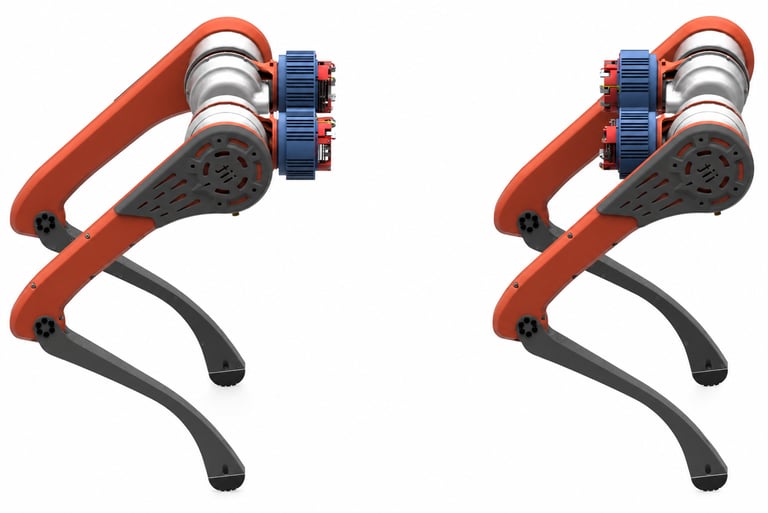
A high-torque, weight-optimized, and sealed 3-DOF robotic leg engineered for repeatable manufacturing, reliable assembly, and system-level integration.
I led the complete mechanical development of V1 (as with V0)— from system requirements, concept selection, and mechanism design through simulation, detailed CAD, technical drawings, and manufacturing release.
Up to 220 Nm Peak Knee Torque
Four-Bar Linkage Knee Transmission
IP65 Leg Protection
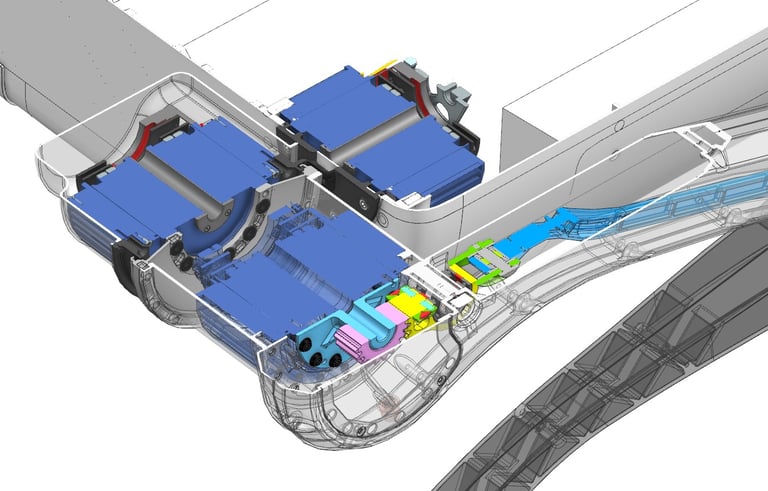
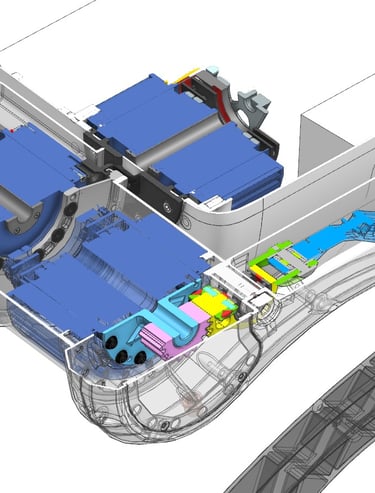
Fully Internal Cable Routing
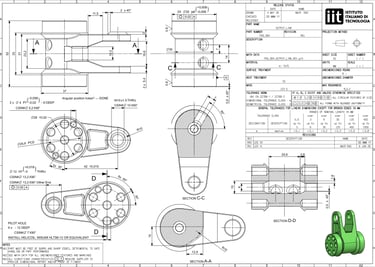
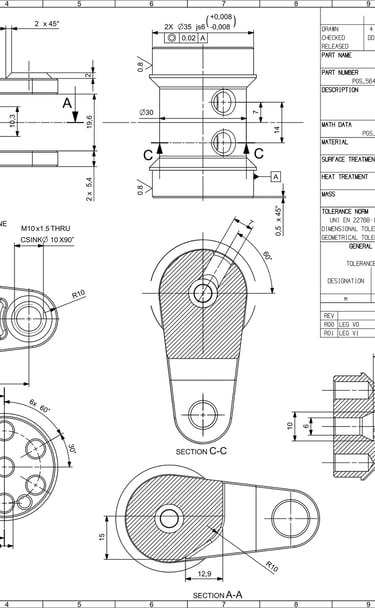
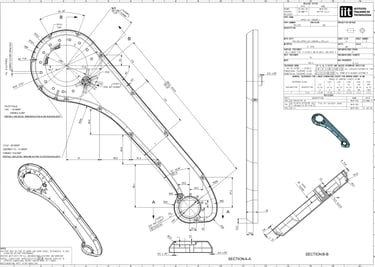
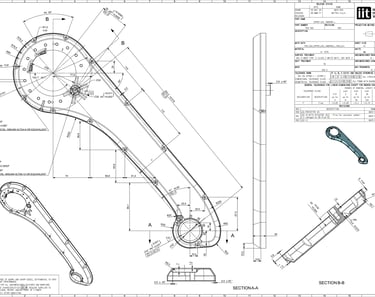
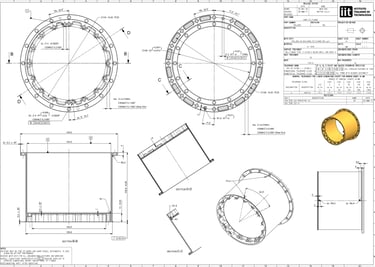
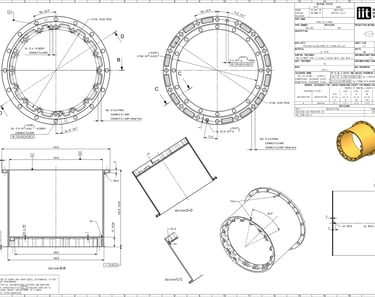
Status: The complete batch is currently under production, with manufacturing completion scheduled for Mid-August 2026.
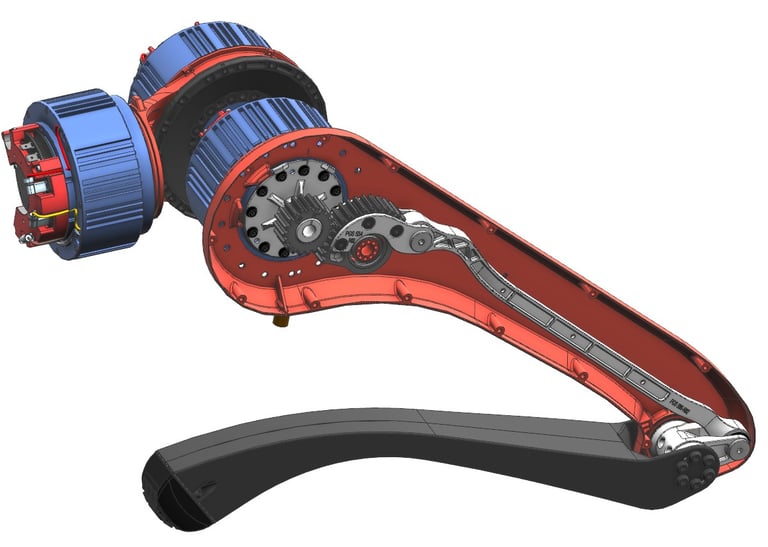
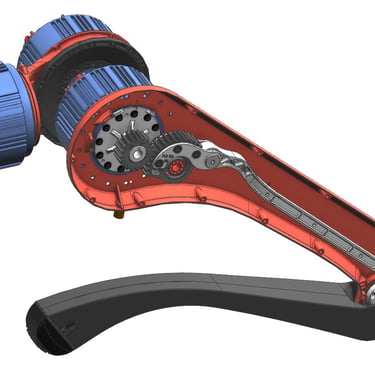
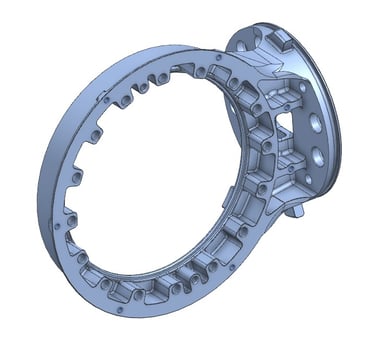
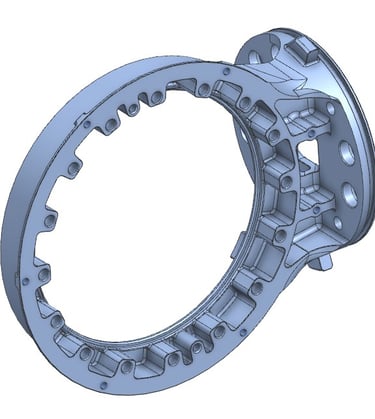
Lightweight and Structurally Robust Design
Structural efficiency was a central requirement because leg mass directly affects actuator demand, energy consumption, dynamic performance, and overall robot payload capacity.
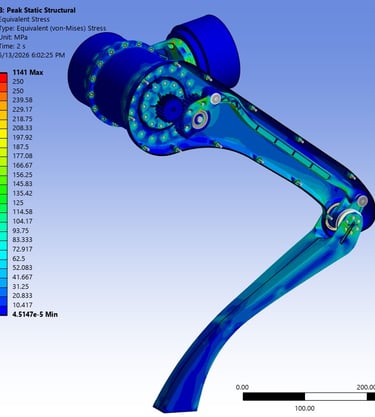
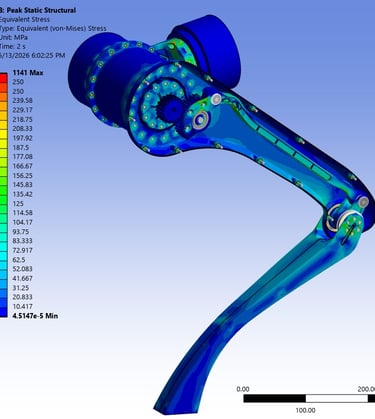
The V1 structure was developed through iterative CAD optimization and Finite Element Analysis, concentrating material along critical load paths while reducing mass in lower-stress regions.
Each leg uses a three-joint architecture:
Hip Abduction/Adduction — HAA
Hip Flexion/Extension — HFE
Knee Flexion/Extension — KFE
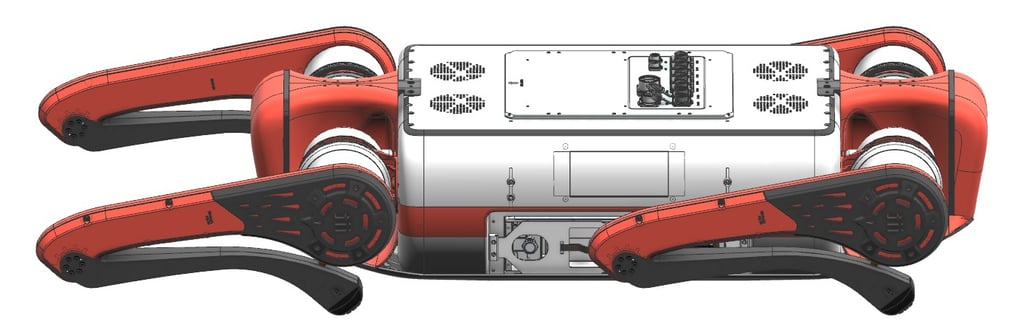
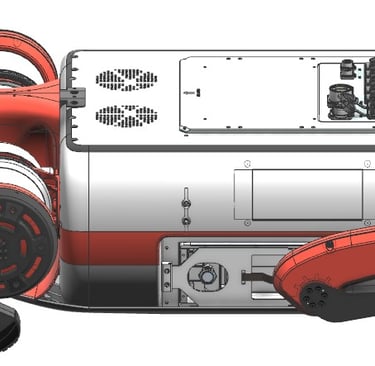
Key design features include:
High-Torque Knee Transmission
Compact Four-Bar Linkage Architecture
Minimal Mechanical Backlash
Large Functional Workspace
Modular Joint Configuration
Optimized Actuator Placement
Protected Internal Wiring
The knee uses a compact four-bar linkage combined with the actuator reduction system to achieve high torque transmission, structural stiffness, and controlled mechanical backlash within a compact envelope.
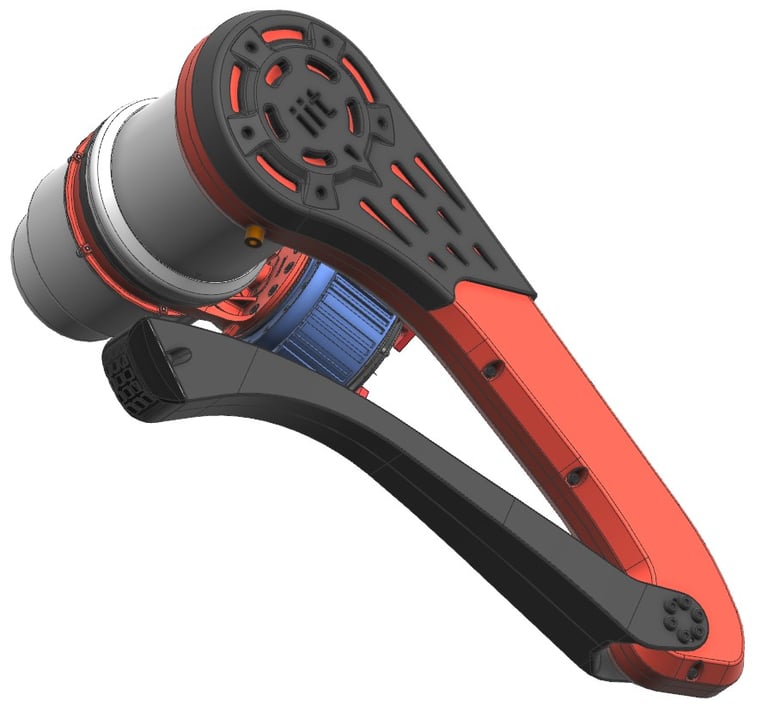
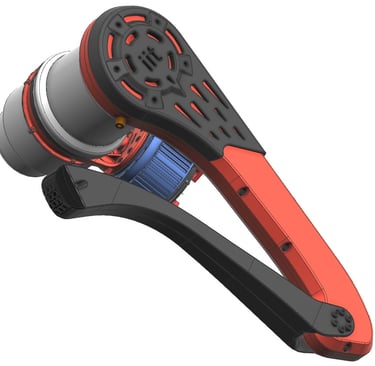
The robotic leg features a fully enclosed IP65-rated structure, with all critical mechanical and electrical components integrated inside the sealed architecture. Actuators, transmission mechanisms, bearings, sensors, and wiring are fully protected from dust, debris, and external impacts, resulting in a compact, robust, and highly reliable design.
All actuator and sensor wiring is routed internally through the leg links and hollow joint shafts. The routing architecture was developed together with the joint, bearing, actuator, and sealing layouts rather than being added after the mechanical design was completed.
Environmental Protection and Internal Wiring